If you’re anything like me, the stretch from fall through the holidays feels like one long sprint. School is in full swing, work is racing toward year-end, and before the Halloween candy is gone, the holiday invitations are piling up. By December, it can feel like life is running at a million miles an hour.
Every year, I tell myself this fall will be calmer. Every year, it isn’t. And every year, I’m reminded of a basic truth: Wellness isn’t accidental. It’s not something that just happens.
It’s easy to let self-care take a back seat when life speeds up, and it never speeds up more than it does between Labor Day and New Year’s. But by now, I’ve also come to realize that wellness is the key to sustaining everything else in my life.
That’s why I want to take you behind the curtain and share my personal wellness routine with you—and how I keep it going through the busiest stretch of the year. These are the habits I rely on to stay grounded and healthy, even when life doesn’t go as planned (which, let’s face it, is a lot of the time).
1. Sleep: The Foundation of It All
Over the years, I’ve learned that everything in my life depends on getting enough sleep. A great day starts the night before. If I stay up too late, I find myself irritable, unfocused, and unable to handle the daily challenges.
My goal is to get eight hours of sleep every night, which means I need to be in bed by 9:30 if I’m waking up at 5:30. Sounds simple, right? But it’s easier said than done. And from October through December, it somehow gets even harder: holiday parties, school programs, and wrapping presents after the kids are in bed all push bedtime later.
I used to track my sleep with an Oura Ring, but I found it gave me one more thing to stress about, especially when I didn’t hit my “sleep score.” It turns out this is the case for a lot of people.
Now, I’ve shifted my focus to the habits that set me up for success that are within my control, like going to bed on time and committing to a certain number of hours in bed. This keeps me from obsessing about my metrics and worrying about things I can’t control.
2. Eating Well (Even When Life Is Busy)
I’ll admit eating well is a constant work in progress for me. Like many of you, I get so wrapped up in work and family that I sometimes forget to eat until I’m absolutely starving—and a hangry CEO is never a good idea!
If you resonate, here’s my best tip: Make a plan. I’ve realized I always make my best choices when I make the decisions in advance.
Lately, I’ve been focusing on getting enough protein in my diet. As I get older, I know how important it is to maintain and build muscle mass for long-term health and energy. Planning meals ahead of time, especially during the busy workweek, makes all the difference. It reduces decision fatigue and ensures that I’m fueling my body in a way that supports my energy and wellness.
3. Movement: A Non-Negotiable
Movement is critical for my mental health, creativity, and stress management. It’s also the first habit I’m tempted to drop when the days get shorter, colder, and busier.
I love taking early-morning walks (a little darker and chillier this time of year), where some of my best ideas come to me. At Full Focus, we’ve got a walking challenge to encourage the team to walk this season.
It’s amazing to me how a little accountability makes it easier to follow through. When I get to the day and see I’m below my steps, it’s easy to convince Joel to come out with me and finish out the count. Bonus: We have great conversations on those walks. It’s a perfect way to stay connected.
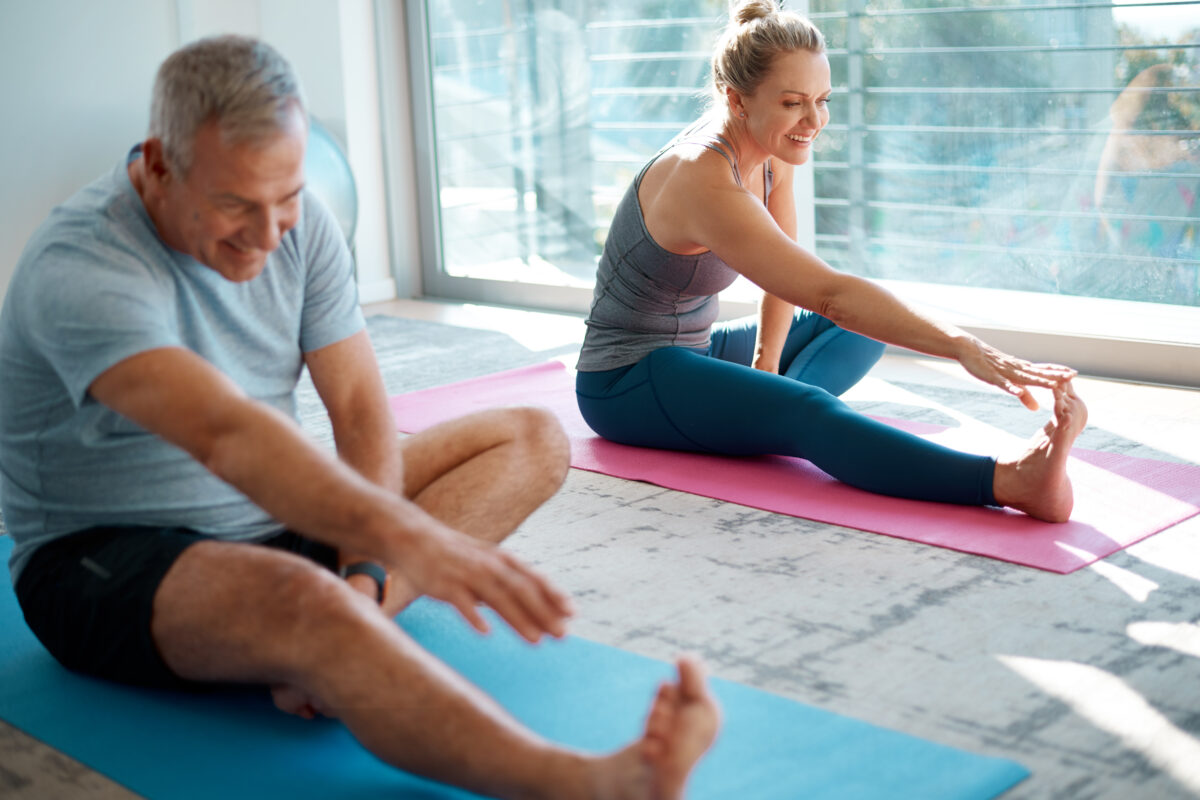
I’ve been lifting weights consistently for the last couple of years now. Strength training is key to aging well since we naturally lose muscle mass as we age unless we are actively building it. It’s easy to skip exercise when things get hectic, but moving daily (even if I can’t get a full workout in) makes me feel grounded and clear-headed.
4. Connection: Nurturing Relationships
When life gets busy, or the unexpected pops up, it’s easy to let relationships slide. But research shows that connection may just be the most critical contributor to our physical and mental health. The holidays bring plenty of togetherness, but togetherness isn’t the same as connection. I have to be just as intentional in December as I am in July.
First and foremost, for me, this is about connecting with my husband, Joel, in the form of walks, frequent date nights, and occasional getaways. Whenever I travel for work, Joel sometimes comes along, and we tack on a few extra days at the end of the trip. We’ve had some fantastic trips to Napa, Charleston, and New Orleans this way. I love getting out of the day-to-day of our lives and experiencing new places together.
Our date nights, on the other hand, are the first thing to get squeezed this time of year. Between games, school programs, work events, and holiday parties, everyone else’s calendar starts making claims on ours. So, we get opportunistic about it. Our son, Moses, had a football game this last Friday, for instance, and we squeezed in a date before the game. The key is intentionality.
5. Relaxation: Finding Time to Recharge
This is another area where it’s easy for me to lose focus. While I have good boundaries around work, I have a lot of natural stamina and can make myself an endless list of projects at home if I’m not careful. That’s doubly true from October to December, when the season hands me a to-do list of its own. If I don’t put rest on the calendar, the holidays will gladly fill every open slot.
My favorite ways to unwind include walking with Joel after dinner, watching a favorite TV show, and taking my nightly bath with Epsom salts and essential oils.
One relaxation practice I sometimes enjoy is restorative yoga. At various seasons, I’ve attended regular classes, but I think it would be extremely valuable to do on my own for a bit each night. I’ve done a lot of study about the nervous system this year, and having the tools to manage stress and self-regulate is critical for high performance in life and work—especially in stressful seasons.
One Tool You Can Use
We designed the Full Focus Wellness Planner to help you prioritize your self-care even when you have a full plate at work and at home. It’s built on the Full Focus System in the original Full Focus Planner, but with additional features and daily prompts that make it easy to track and improve your sleep, movement, nutrition, and relaxation—all in one beautiful, easy-to-use place.
The Wellness Planner doesn’t just track what you do. It helps you set intentions, create routines, and make self-care part of your daily life. Best of all, it keeps your wellness priorities visible so you don’t forget to attend to the areas that make everything you want to do in life possible!
If you’re ready for the easiest way to start prioritizing your well-being that’s simple, sustainable, and finally fits seamlessly into your daily routine, the Full Focus Wellness Planner is just what you’ve been looking for. Explore the Full Focus Wellness Planner—especially the unique features and page layouts.
Now it’s your turn: When life starts running at a million miles an hour between now and New Year’s, what’s the one habit you’re going to protect?
AI Disclosure: This newsletter was written by a human (me) for a human (you!) I sometimes use AI for research, to critique my writing, create graphic representations of concepts, or to proofread before I publish. But the words I choose, the sentences I write, and the ideas I share come from my brain and out through my fingertips onto the keyboard before they find their way to your inbox. If that ever changes, I’ll tell you. Thanks for reading, and thanks for being a human.
Last modified on November 23rd, 2026 at 3:44 pm
Disclosure of Material Connection: Some of the links in the post above are "affiliate links." This means if you click on the link and purchase the item, we will receive an affiliate commission. Regardless, we only recommend products or services we use and believe will add value to our readers. We are disclosing this in accordance with the Federal Trade Commission's 16 CFR, Part 255: "Guides Concerning the Use of Endorsements and Testimonials in Advertising.