

For most of my life, I prioritized “fast.” In fact, I thought fast was virtuous and slow was for people who weren’t very ambitious or trying very hard. I liked the adrenaline rush of the sprint. Right up until I didn’t.
In a few weeks, I will turn 46. I can honestly say that I’ve done a 180 on all this. Slow is my new fast, and I don’t think I’m the only one.
The truth is fast is exhausting. So is adrenaline. It’s hard to hear yourself think, hard to listen to your body, hard to connect to your heart or to others or God when you’re optimizing for speed. Inevitably, burnout comes and diminishing returns along with it. After all, humans are built for the speed of walking, not running—about 3 miles per hour.
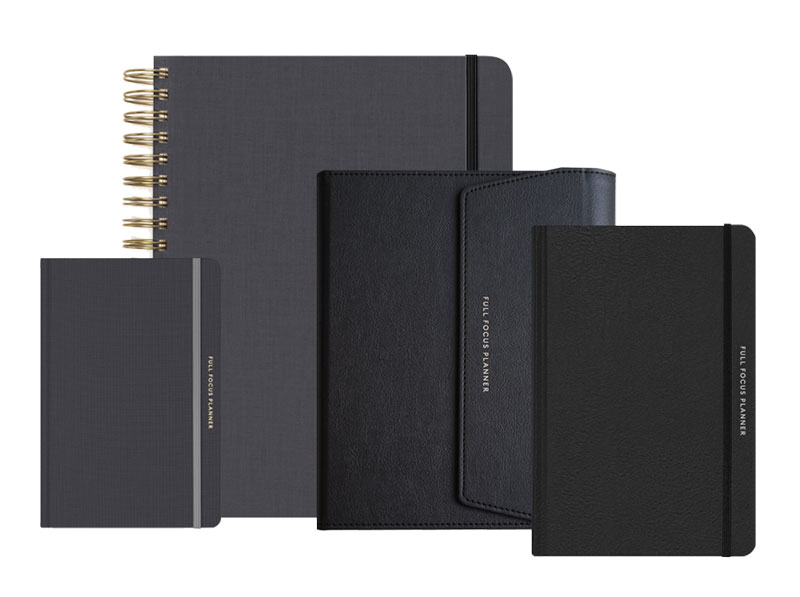
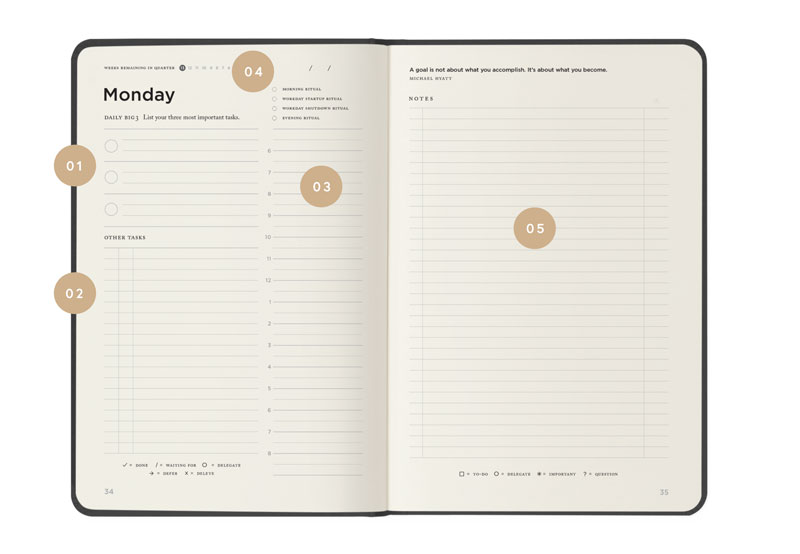
About 15 months ago, I began thinking about how our company, Full Focus, needed to evolve for the current moment and for the future. I knew it needed to evolve because I was evolving. What matters to me now didn’t matter to me as much when our original vision was set in place more than a decade ago.
The world has changed, and our customers and clients’ lives and priorities have changed along with it. But knowing something needs to change and discerning exactly how to make the change are two separate things—not to mention the actual execution of the change!
The minute I knew we needed to shift some things, it started to create angst in me. It became a big open loop in my mind that followed me everywhere I went. I wanted to know. I wanted the loop closed so I could get on to the next thing.
I was clear that the end game was to have a written document that provided explicit clarity about who we are talking to now, what problems we solve, what we have to offer and how we do it, what our unique transformation was, and why it matters and was unique at this moment.
But knowing the shape of the deliverable is very different from knowing its contents. For that to materialize, I would have to do some deep, introspective, soul-searching, clarifying, and refining.
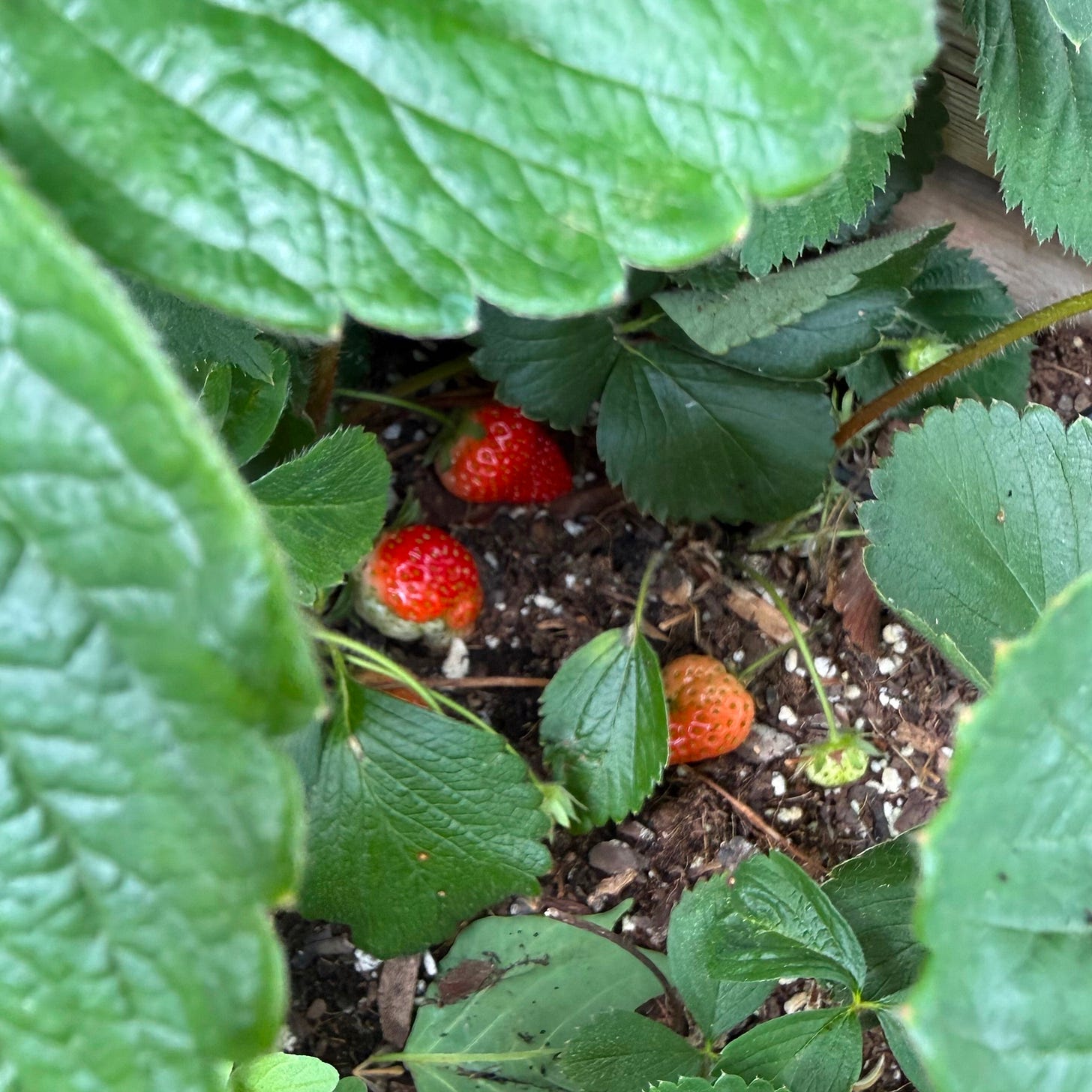
As I learned over the next 15 months, evolution, whether for a business or a person, is a painfully slow process. It has its own schedule and will not be bullied into yours or mine. It isn’t linear. You get big insights and make substantial progress, only to find yourself stalled or retracing your steps, sure at various points you are just walking around in circles getting nowhere at all.
I had several big creative spurts on the way to eventual clarity. Each one felt like maybe it was the one, but then I’d realize I was missing something that I couldn’t quite name, and realized (again) that my project was still incomplete. I had to submit once more to the liminal space, the not-knowing-it-all-yet. Exercise patience and wait for the next installment. Sit in the slow.
Now, 15 months later, as of this week, I have a completed project. Much of the work I’ve done here and your response to it helped shape where we are headed and what we are becoming at Full Focus, so thank you for your contribution!
I can say confidently that the often frustrating pace of this project—its slowness, its on-and-off-again unfolding—made it what it is. It wasn’t in spite of the slowness that I was able to complete it; it was because of my reluctant willingness to go slow, to let it breathe, to let it marinate. And, maybe most importantly, to let myself become the person who could articulate the vision. On day one, all of that would have been impossible. I had to think the thoughts and wrestle through the ideas before they could become something, and that is inherently hard, slow work.
What I learned is this: All the important things in life worth building take time. Lots and lots of time. They are made better by our willingness to honor their natural pace rather than hurry it along. The natural pace of becoming—of figuring out who you are, what your contribution to the world is, raising your children, building your business or career, honing your craft, whatever—is a feature, not a bug.
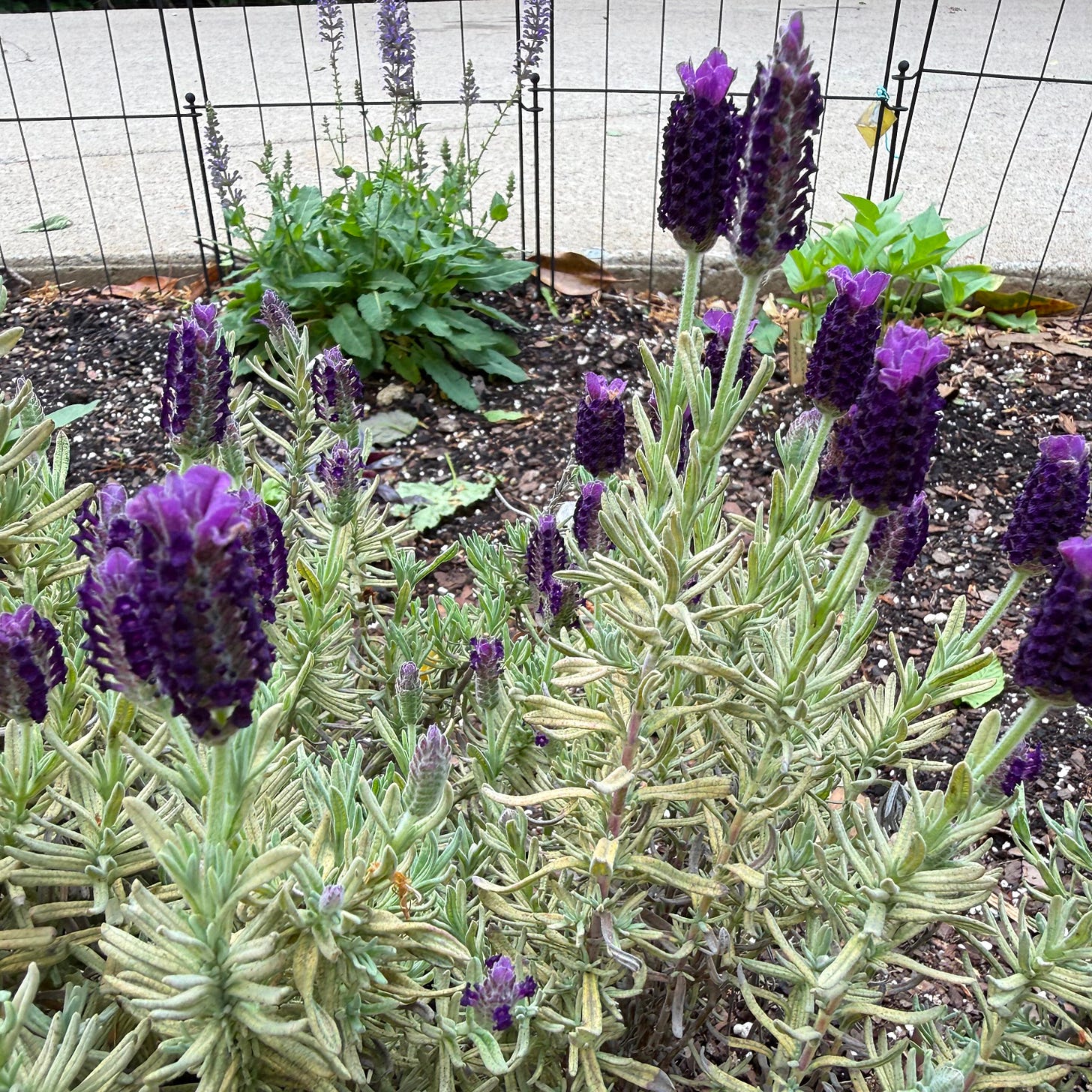
Time and space create the preconditions for growth, the kind that has deep roots that anchor us steady when the winds blow and the storms come, which they always do. The only question is whether we can convince ourselves to embrace the slow instead of fighting it. For me, that has been a lifelong journey.
Most people won’t do this. They try to engineer the friction out of the system because it’s frustrating, annoying, and inefficient.
I used to be one of those people. Knowing that about myself means I am now actively looking for things that slow me down, that build my patience by training my nervous system to tolerate slow because that’s where the best stuff lives.
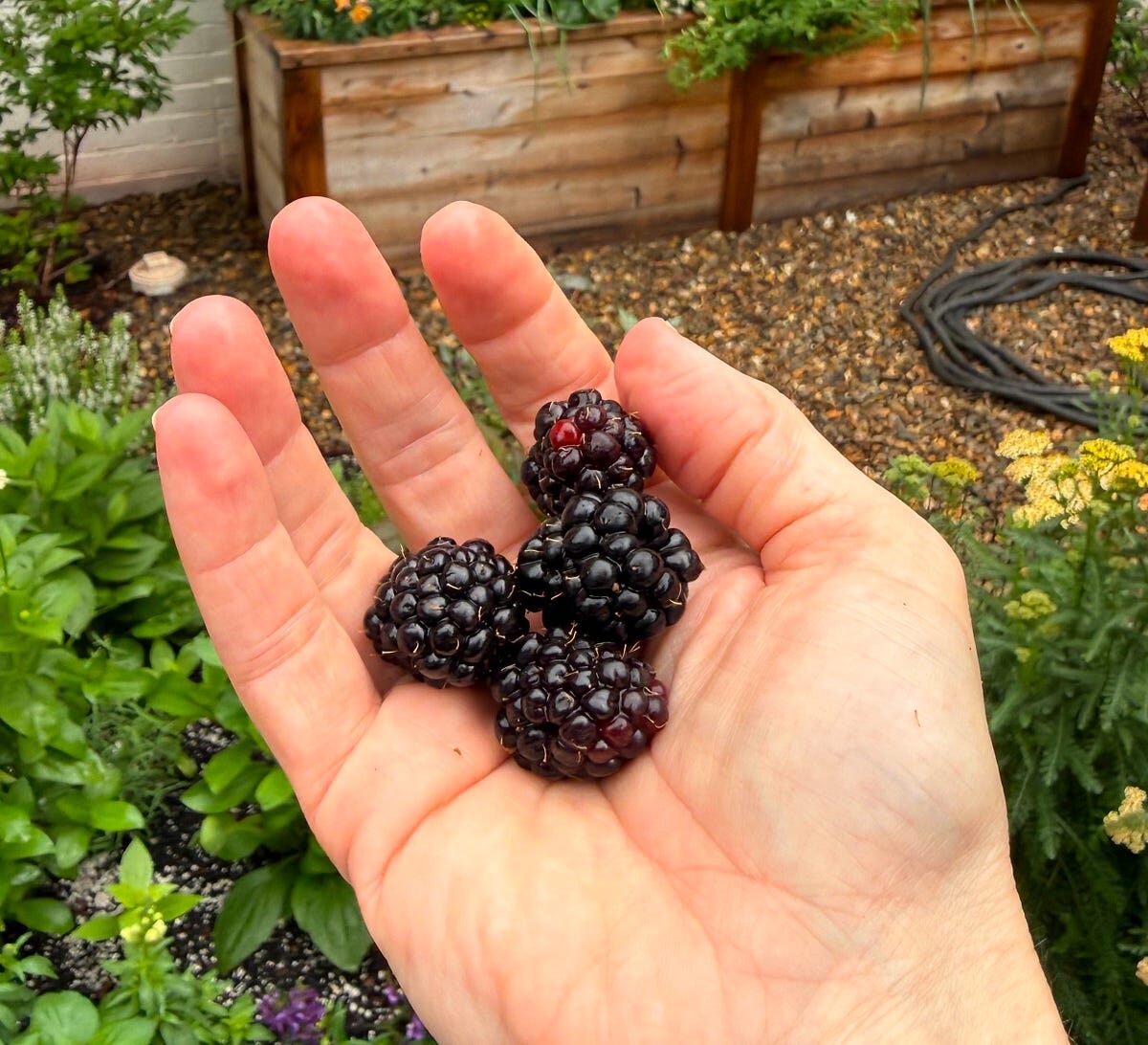
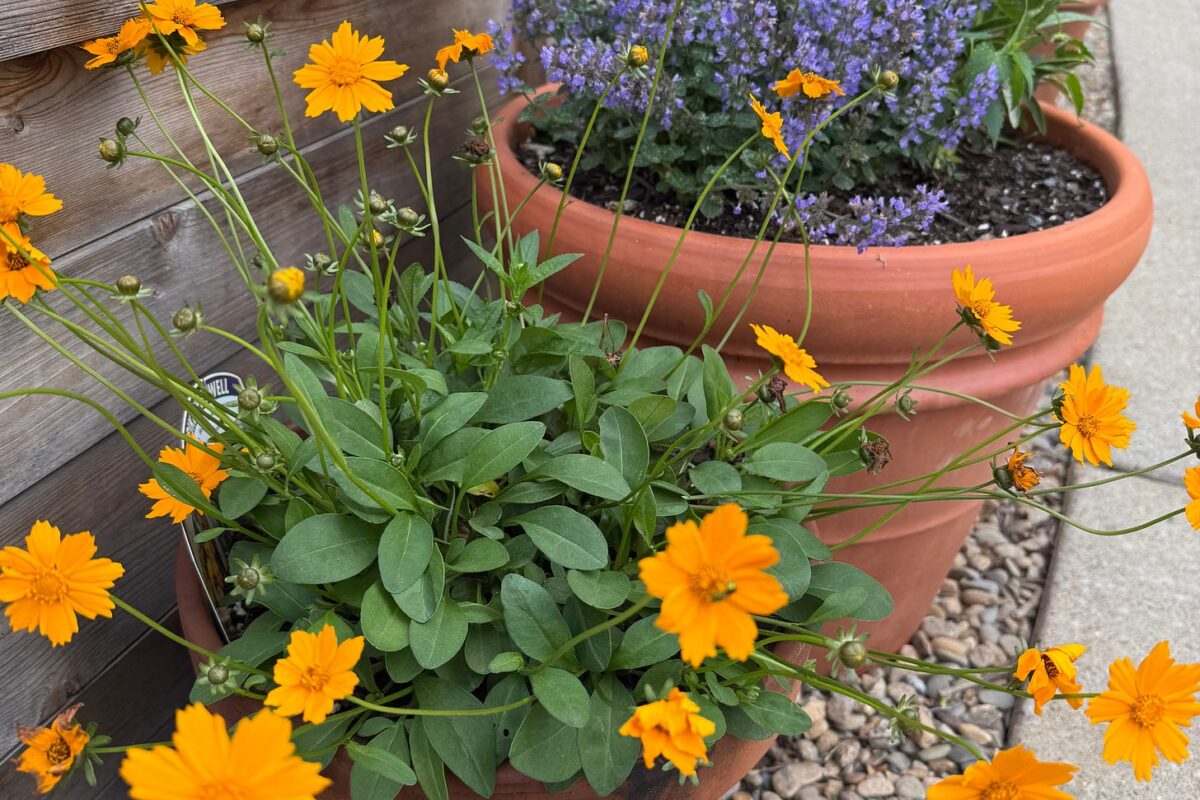
I think “train” is the right word for this. We’ve been taught to expect immediate results and quick payoffs. But just like gardening, the most important foundations for production are laid below the surface. At the surface, it often looks like nothing is happening for a long time, or at least, not much. But if you’re diligent and you keep showing up, things start to sprout and, with continued cultivation, eventually explode into bloom.
While the rest of the world roars on, a large and growing minority is choosing not to do everything at full-throttle. In every human endeavour you can think of, from sex, work and exercise to food, medicine and urban design, these rebels are doing the unthinkable—they are making room for slowness. And the good news is that decelerating works.
—Carl Honoré, In Praise of Slow
Little by little, time keeps proving to me the wisdom of slow. When I think back to the me of ten years ago, I realize how far I’ve come. I struggle much less with the guilt and frustration with myself when things take longer than I expect or when I have to push deadlines out. Most of the time I recognize that it probably means I’m working on something that really matters, that deserves the extra time it’s asking for.
So, now I’ll ask you this: where are you prematurely pushing for resolution or completion in your life when giving space and embracing slow is what’s needed?
Last modified on April 27th, 2026 at 4:25 pm
Disclosure of Material Connection: Some of the links in the post above are "affiliate links." This means if you click on the link and purchase the item, we will receive an affiliate commission. Regardless, we only recommend products or services we use and believe will add value to our readers. We are disclosing this in accordance with the Federal Trade Commission's 16 CFR, Part 255: "Guides Concerning the Use of Endorsements and Testimonials in Advertising.