
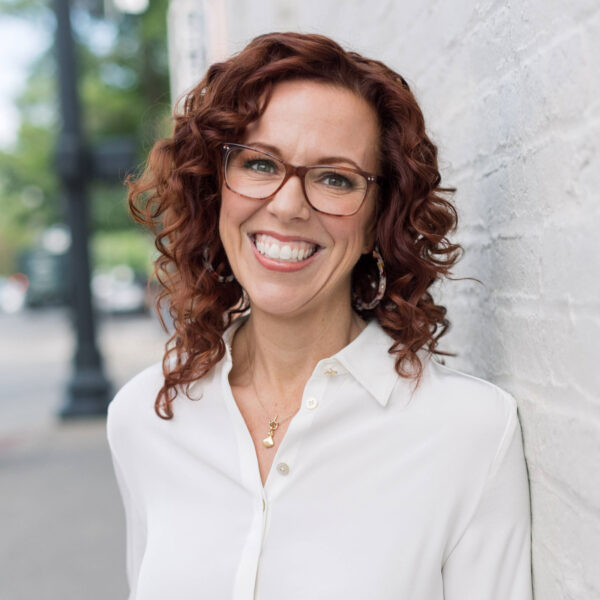
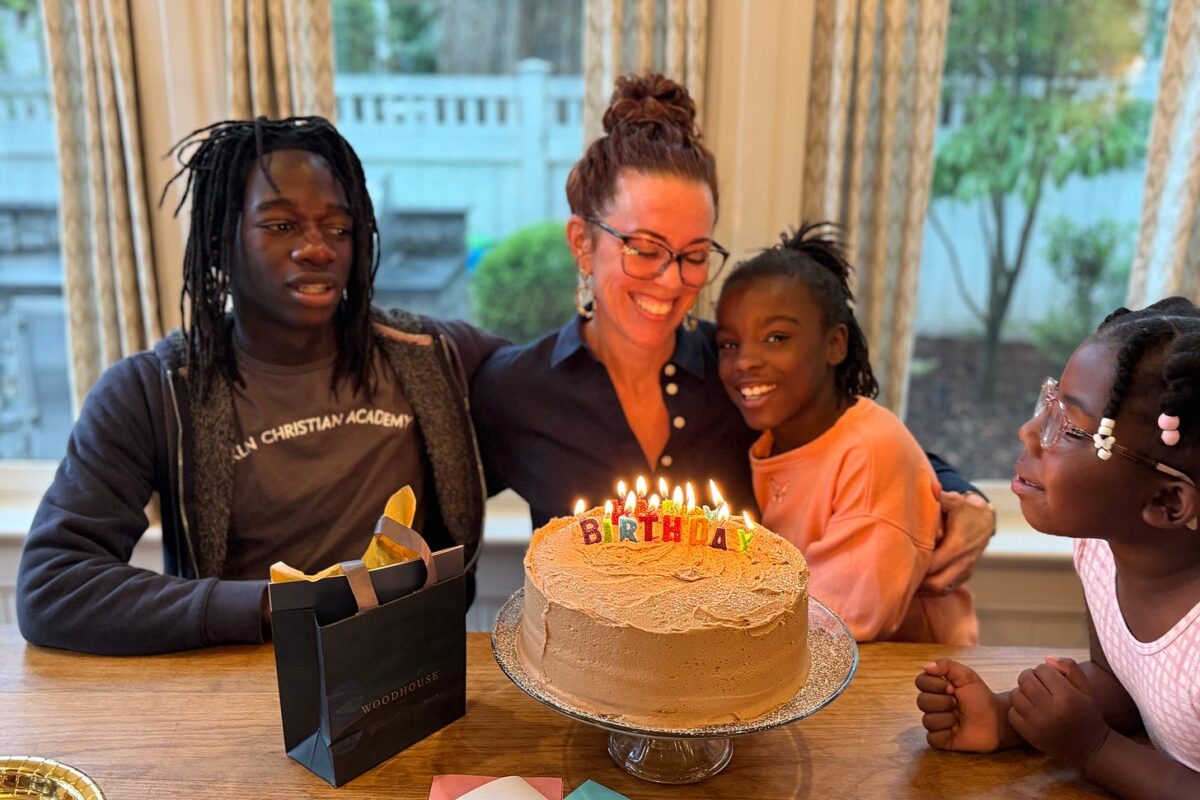
Forty-six years in the books as of this week. Like most years, it’s been full of highs and lows, with so much to be grateful for from both.
As I sit here in my quiet house, kids at school, rain falling steadily outside, I reflect on the last 365 days and ask myself, “What have I learned? Where have I grown?”
After all, I’m not just passing time here. I want to be a good student, a good steward of the life I’ve been given. I want to be transformed and shaped for good by the events and experiences of my life. But it’s easy to celebrate a birthday without truly reflecting on what the last year has taught.
One of the gifts of being a writer is that, if you write regularly, you have a record of your time and your growth along the way. As I look back at this past year, here are the lessons that stand out to me.
1. Stewardship Is Better than Ownership
This year, I made a real shift—from thinking about my life as something I owned, where I needed to take total ownership and control all the necessary variables to guarantee an outcome, to a posture of faithfulness. That posture begins with understanding myself rightly: as a creature, not a creator.
I don’t own the outcomes. I don’t own my business. I don’t own my family. I don’t own myself. I don’t control the uncontrollables. I have influence, to be sure. I have agency, to be sure. But I exercise those things with an appropriate level of humility and, at the same time, responsibility. I take diligent action to honor God and work for his glory, but ultimately I entrust the outcomes to him.
For me, this has been a lesson in faith and a path away from anxiety. And part of what I’ve learned is that self-reliance—which I had always thought of as a virtue—is often, as my dad told me earlier this year, just practical atheism in disguise.
I had been living as though there were no God. As though there were not someone holding it all together, someone ordering my steps, someone working all things together for good. And so I was shouldering and carrying something that wasn’t mine to carry. The level of stress and burden I had taken on was unnecessary.
2. Slow Is the New Fast
This year I discovered the joy and the relief of going slow.
Some of it was forced on me. I’ve been in a season of my body changing in midlife, of medical emergencies and challenges with my kids and extended family, all creating real limits on my “top speed.” Even though the process hasn’t been enjoyable or chosen, downshifting to a slower speed has been a gift.
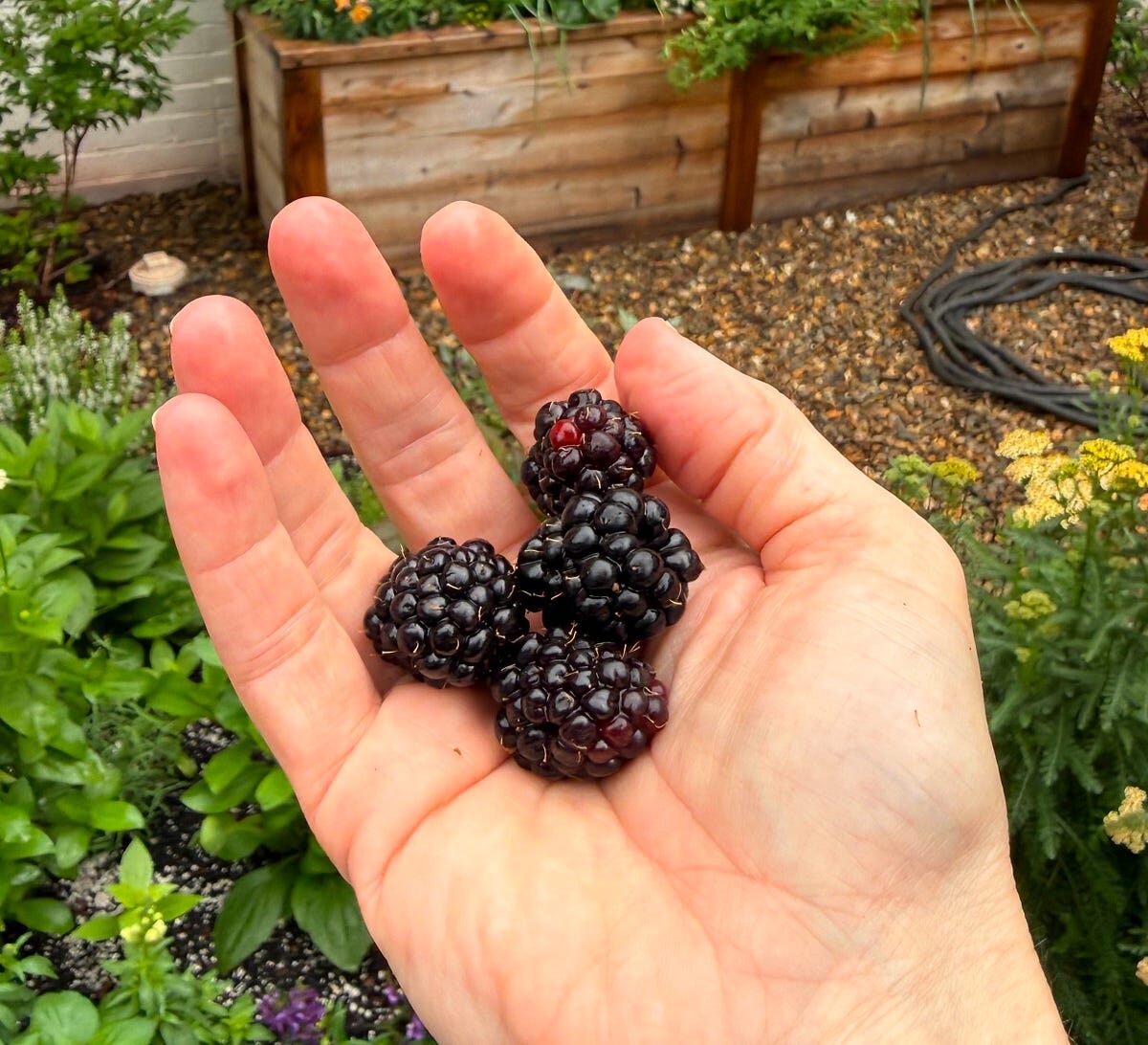
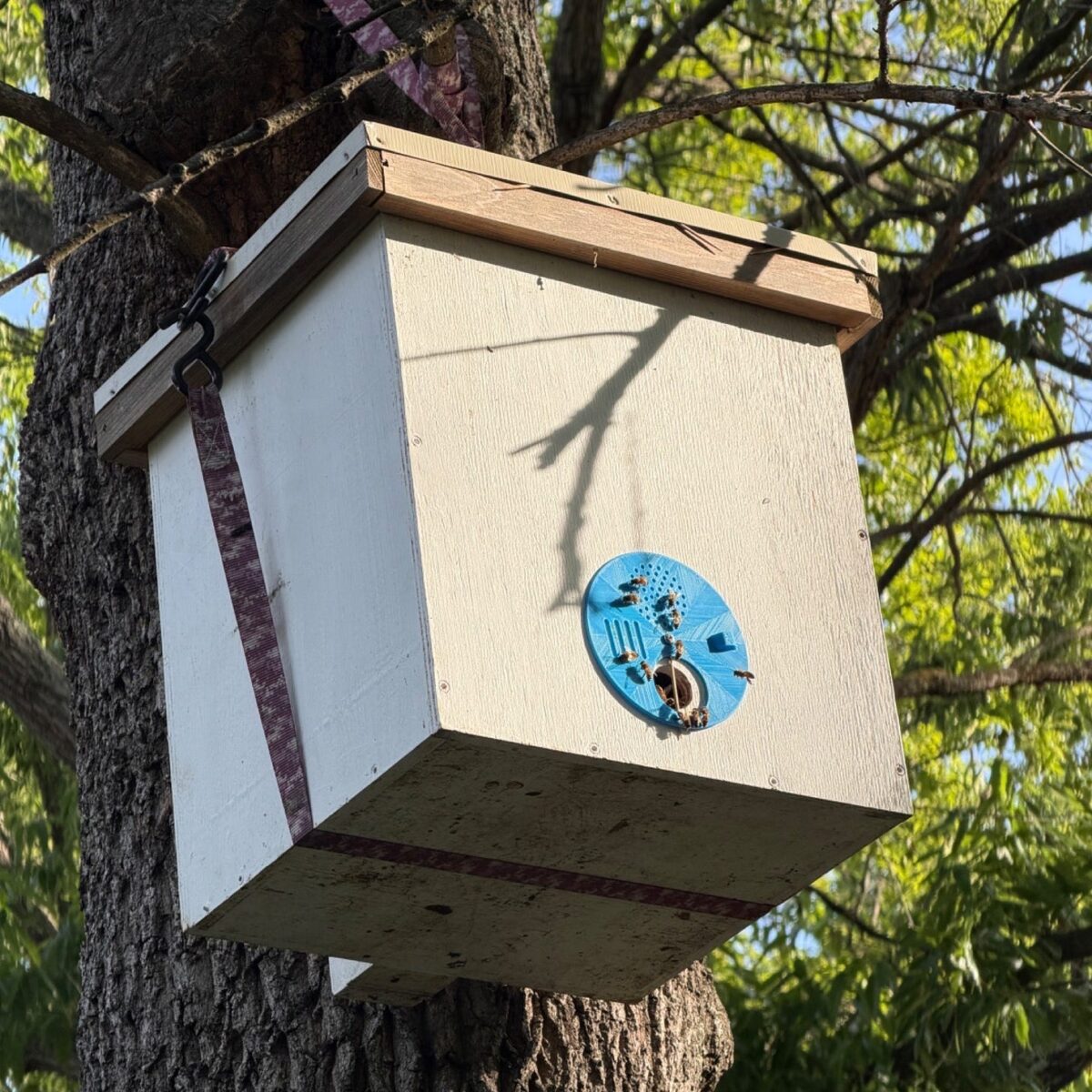
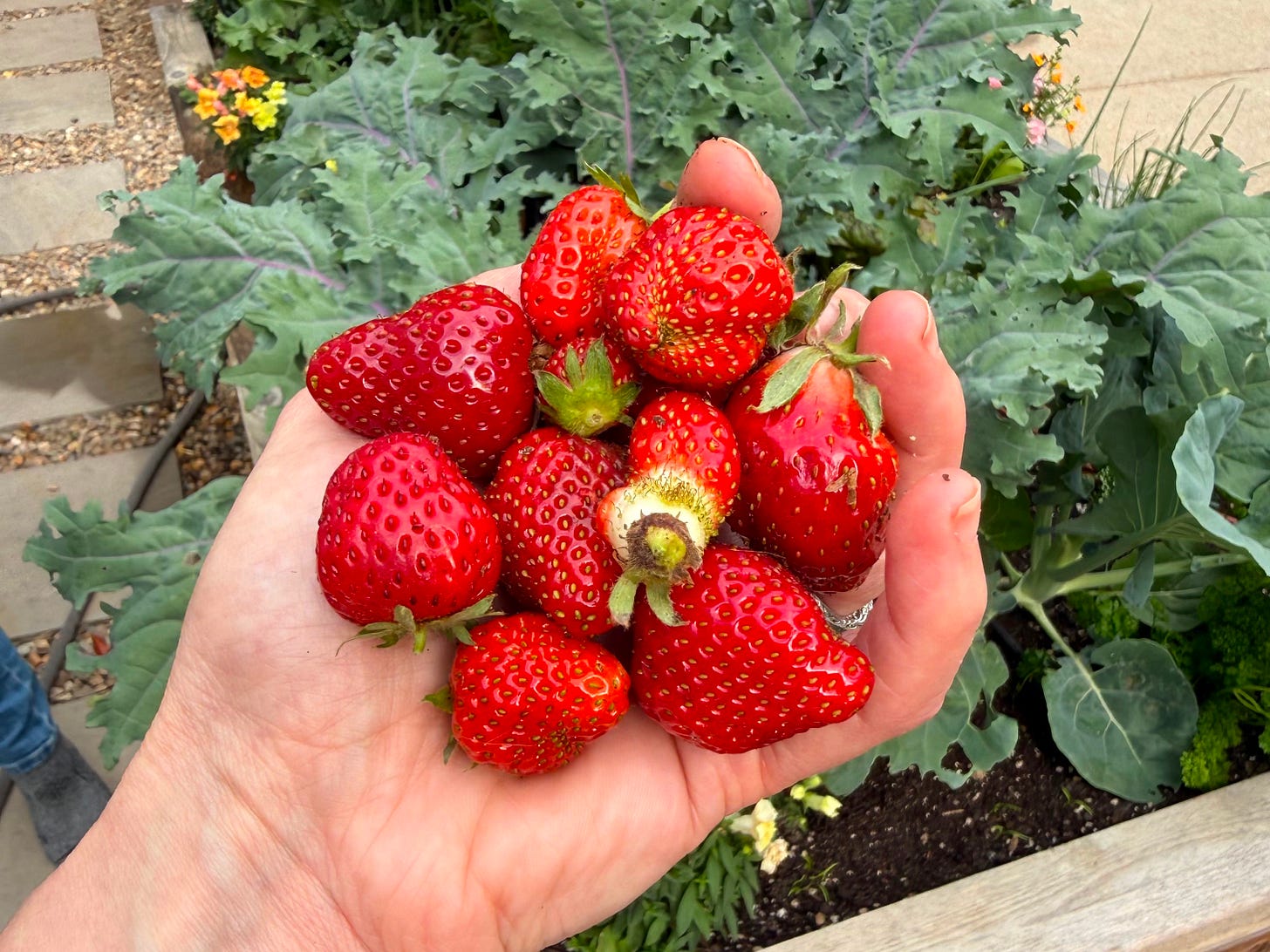
Even beyond the forced slowing down, things like gardening and beekeeping and birdwatching and walking have invited me to focus my attention as I slow my body, finding joy in it, being physically present and doing fewer things, doing them slowly, and doing them well.
This has shown up in our business, too. For the last several months I’ve been working on a brand evolution document—a kind of foundations manifesto for Full Focus that we need for our future. I’ve been thinking deeply about it for more than a year, but rather than trying to race through it and get it done, I’ve been letting it take the time it needs to take. And I think I was able to do that because I’d practiced going slowly elsewhere.
What I’ve realized is that some things just can’t be rushed. In fact, all the important things can’t be rushed. All the best things in life require downshifting to enjoy or understand or fully inhabit. So I’ve discovered a gear in myself that I really never had before, and that’s slow.
I walk slowly now. When I’m out on a walk with someone else, I’m always having to warn the person I’m walking with—“Oh, I walk really slowly”—which is kind of embarrassing. But it’s also so much more enjoyable for us both. They seem relieved that we aren’t “exercising” or trying to get anywhere in particular. Just taking our time.
Slow makes it possible to notice things around me and take things in through my senses. The hallmark of a sympathetic nervous system is tunnel vision; this is the opposite of that. And I’m loving that pace in my life.
3. Stop Waiting for the Storm to Pass
My life has been characterized by storms for many years. Health challenges in my 20s. The hard healing journey of bringing our kids home from Uganda in my 30s. My body and the world dramatically changed in my 40s, along with our business, and countless medical challenges in my family and beyond.
What I’ve realized and finally accepted—at least consciously for the first time this year—is that this is probably not going to stop. That would have been a terrifying admission before now, like I was inviting trouble. But that’s not how I see it anymore.
Just two weeks ago I was reminded of this when my mother-in-law fell critically ill and Joel and I were plunged overnight into the complexity and demands of the sandwich generation. He is now spending his days in the hospital with her, trying to navigate hard decisions and the path forward, while I’m keeping things going at home and at the business. The truth is, there’s just always going to be something.
If we tell ourselves I’m just waiting until . . . I’m just waiting until . . . then we’ll push off the things that matter in our lives under the false assumption that someday the skies will clear completely and stay cleared, and then our real life can finally start. But our real life happens in the midst of the storm. If we can make space for that, and stop assuming that calm is a precondition for flourishing, life opens up to us.
There are invitations for flourishing right here, right now—for joy and connection and meaning and spiritual growth, in the midst of whatever you’re going through. We don’t have to wait. We don’t have to put it off. Our lives don’t have to be perfect. We don’t need some magic solution to thrive instead of just survive.
But it’s a choice. It’s a choice to live in the duality, in the messiness. It’s not neat. But there is so much freedom in it. It enables you to stop white-knuckling. It enables you to take the world as it comes. And it enables you to be present for the gifts that are here right now—not just assume the gifts will only be available later.
4. Commitment Comes Before the ‘How’
This really showed up for me last week as I was leading our mastermind retreat in Mexico (which I’ll share about in future weeks).
We were talking about the idea of working 30 hours a week. And what I’ve come to see is that if you try to find your way to that outcome through productivity solutions—how can I reduce my workload?—it never works. Because your workload is always growing. Even as you’re working on the things you have now, more things are being added. Getting it all done is never going to be the solution.
Instead, you have to get very clear on what’s at stake if you continue with an unsustainable load. What is it actually going to cost you—emotionally, physically, spiritually—not just intellectually, but really, viscerally? And then you have to get equally clear on what would be true if you could work fewer hours. If you could work a reasonable number of hours that actually made room for your real life.
From that place, without any idea yet how you’re going to do it, you make the commitment. And then the how reliably appears. It becomes clear what has to be solved. The decisions about what’s most important start making themselves. When you have a defined container that you’re committed to not expanding—and when you understand why that matters—the rest follows.
My dad always says, “Resources follow vision.” And I’d add: the how follows the commitment and the stakes. I got to see that firsthand last week with a room full of women business owners who made commitments to working far fewer hours—in some cases, half of what they’re currently working—and saw a path forward for the first time in their lives. Not because they figured out how to get it all done; that’s impossible. Instead, they figured out the size of their container, why it mattered, and what the right things were to put in it. That, it turns out, is much more doable.
5. Midlife Teaches Us to Finally Accept Our Limitations
This year, the realities of midlife converged on our doorstep in a dramatic way—my body changing, the demands of our nuclear family, the sudden and critical illness of my mother-in-law.
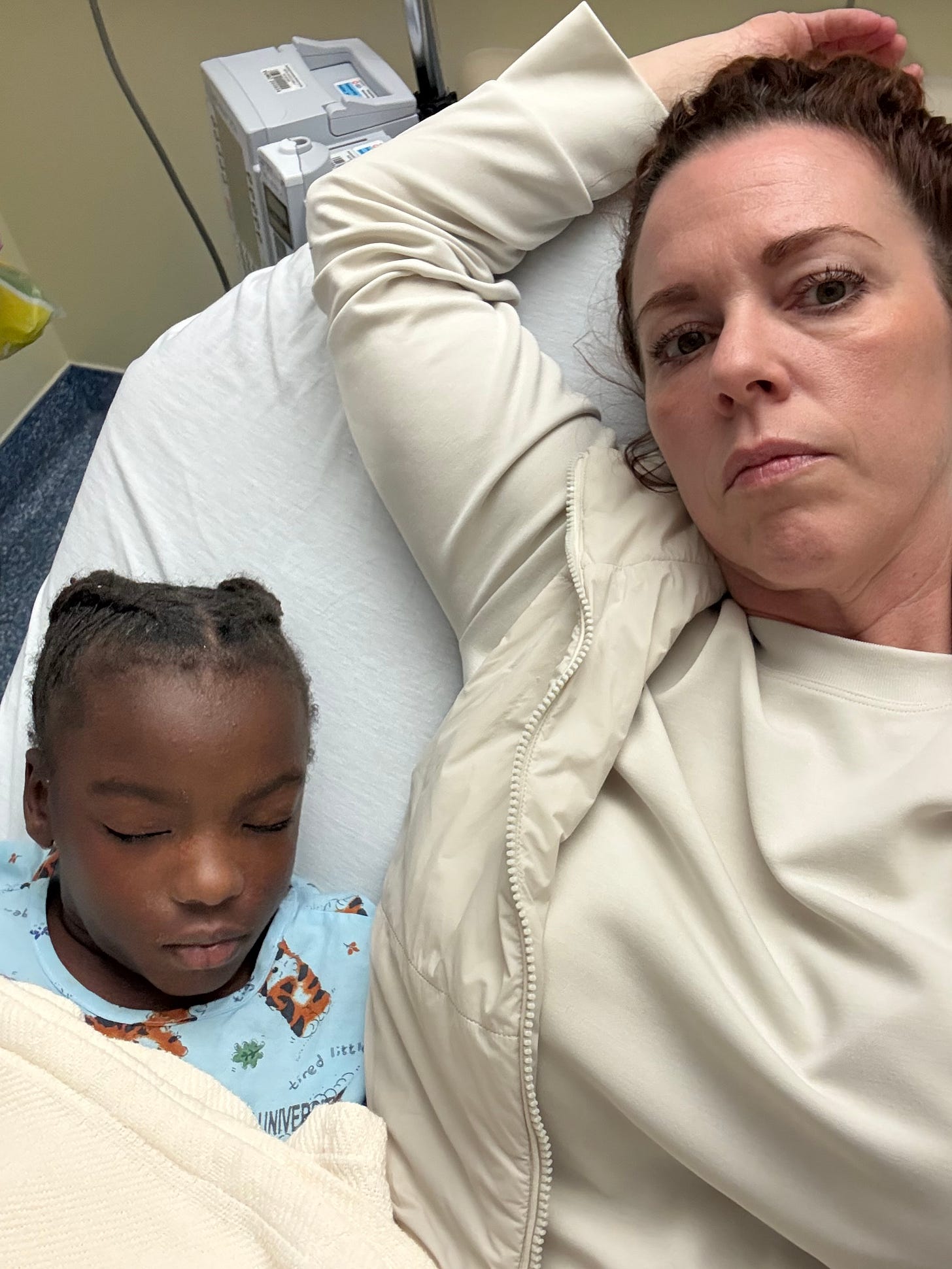
We had a daughter getting married and a child in the hospital at the same time. While we were still recovering from that, my mother-in-law went into the hospital in critical condition, with an unknown trajectory ahead. Joel has been away for two weeks already, navigating hard decisions and an uncertain path forward, while I’ve been home single-parenting, leading the business, and managing everything that comes with both.
What’s very clear to me—and I think this is a recurring theme of midlife—is that we have to be in reality.
In midlife, the demands of life and family peak. You usually have children still at home in this stage. (I’ll have a graduating senior next year. I have two kids changing schools next year. And, as mentioned, I had a daughter get married this year.) Your career is usually at its peak too, in terms of both success and demands. And those often go together.
That is certainly true for me. And then, oftentimes, you’re navigating aging parents. For us, that’s been not gradual but very abrupt, with a whole bunch of hard decisions that have to be made all at once and were not part of our plan. There are also the changes in your own body. All of that, often at the same time.
What that means is we have to adjust our expectations. We have to change how we do our life in this season. We need more margin—not just for the wonderful things and the joy and the gifts of our life that we want to make room for. (Yes, we want rest and rejuvenation and hobbies and flourishing.) But we also need to make room for the unexpecteds. There are a lot of those in this season.
I’ve seen in my own life this year how grateful I am for the margin I do have, and also how important it is to create even more. Because there are only so many hours in the day. There’s only so much gas in my tank.
Life is requiring a lot of me personally, so I have to be ever clearer and more focused on what is mine to do—what’s high leverage—so I can keep that margin without burning myself out. The cost of burning out is that so many people suffer: my business, all the people I love most. So this is mission critical.
6. Anchors Keep You from Being Swept out to Sea
. . . and you don’t have to anchor alone.
We’re living in a dizzying, disorienting world. This year more than ever, the acceleration of AI and its integration into our daily life and work—as we begin to see what it means for our future, and how much we still don’t know—has made one thing clear: We all need to be building a robust, rich, analog life. Lived in our bodies. Off of screens. Intentionally engaging our five senses with other human beings in person.
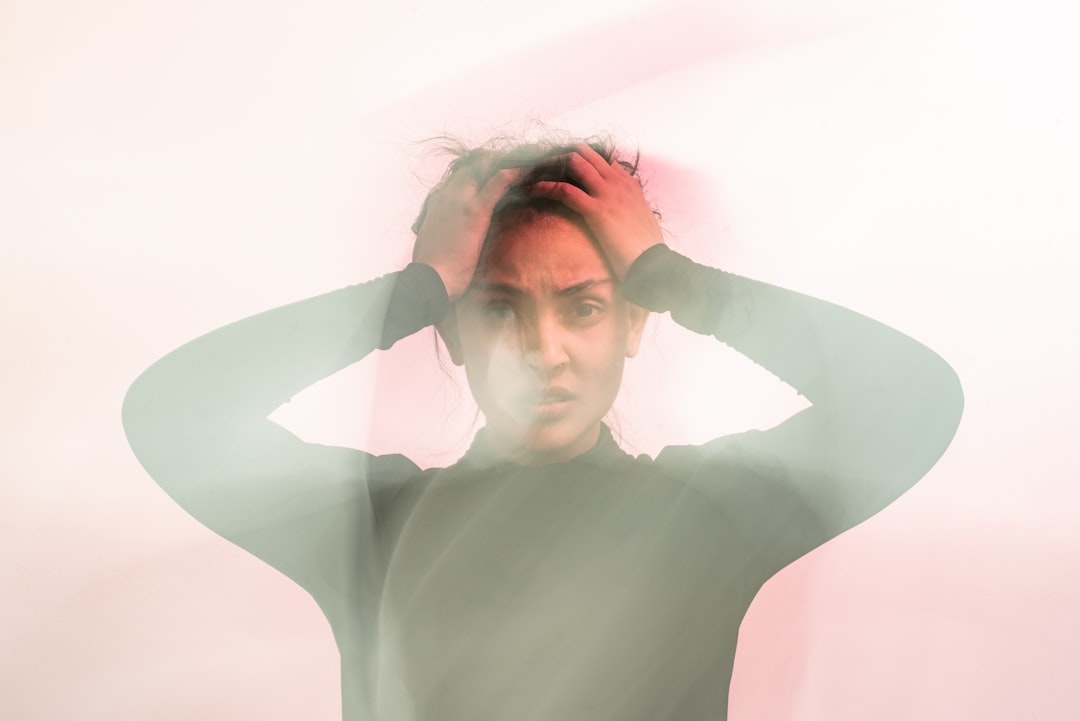
We need to be tethered to something real that doesn’t change. Because psychologically, what we’re going through is overwhelming. It’s not only the demands of midlife I just talked about; it’s the pace of change on top of that. Most of us thought, by this point in our lives, we’d be kind of set professionally, in our understanding of the world. But in reality the ground under our feet is shifting.
We need to be anchored to something that doesn’t move. Part of that starts with our humanity itself—our bodies, our five senses, all the things native to humans we’ve been doing for all time.
So this year I’ve really dug into the practices of flourishing—tending to myself, connecting with others, spending time in nature, prioritizing recreation, and making room for the sacred. In a world where it feels like the center will not hold, these practices will hold. My humanity will hold. I’m anchored to things that don’t change. And I’m convinced more than ever that this is what’s going to carry us through what’s ahead.
7. Don’t Go It Alone, Hire an Expert
We’ve said this for a long time at Full Focus, but this year I’ve actually lived it in several specific ways, and the return has been enormous.
I’ve been working with a personal trainer for over a year, and I’ve never been more consistent in taking care of my body, pursuing strength and fitness. I’ve never been in better shape in my entire life—and I’m 46 years old, after years of significant health challenges. That’s because I outsourced it to someone who knows what they’re doing. I know that’s not possible for everyone, but the ROI for me has been huge, and it’s a big reason I’ve been able to navigate so many hard things this year. My body has been in a strong place; my bloodwork has never looked better.
The same has been true with my therapist this year—a steady resource for processing what we’ve been through, given how much has been thrown at us this year that’s been outside our control. I’m not going to do the superhero role anymore. I’m going to use the outside resource of a therapist to have a safe place to process, to make sure my coping strategies are healthy, to navigate when I get triggered.
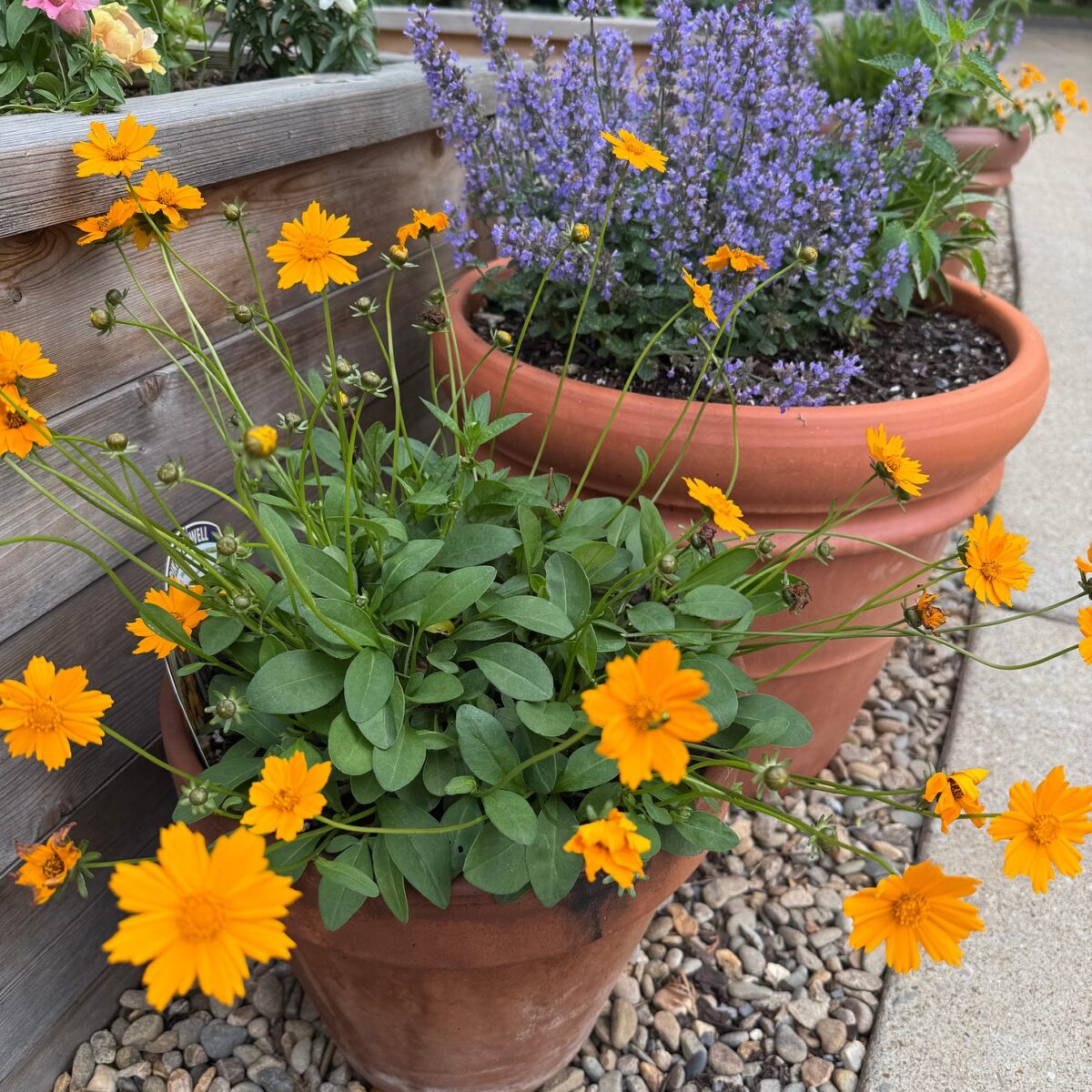
The same with my garden. I have a garden consultant, Natalie, who is also my friend. She’s helped me make it a situation where I’m set up for success—where it’s fun, not overwhelming.
And Adam Martin, my bee mentor, has made it possible for me to step into something I knew nothing about—beekeeping—in a way that hasn’t been overwhelming at all. Instead, it’s given me space to wonder and delight in something new, instead of doing it all through trial and error. I’ve done that a lot in my life. I don’t feel like I need to do that anymore.
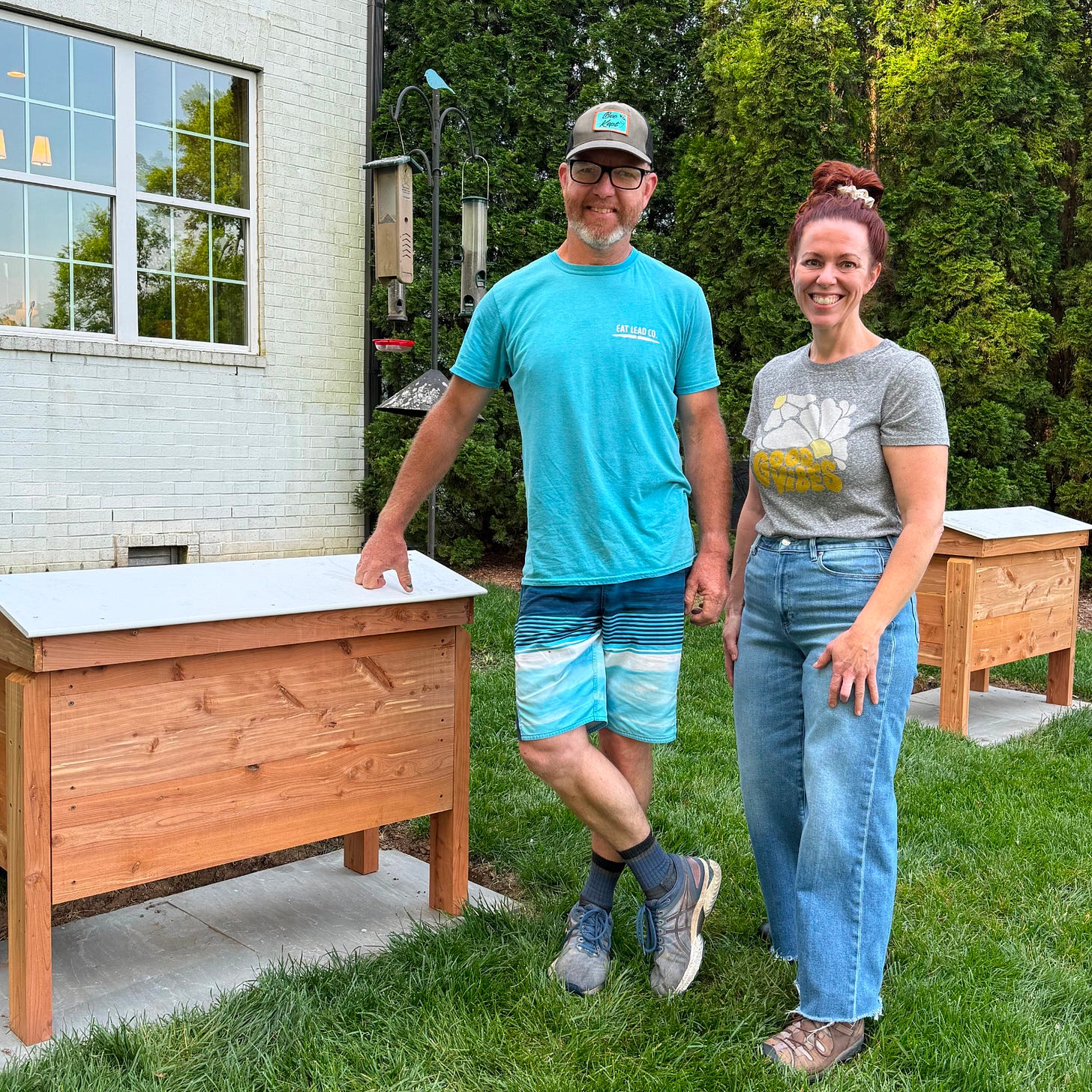
So my lesson is this: Whenever I’m facing something I don’t know how to do—especially from midlife on—the first line of defense is, How can I find an expert? Sometimes that might be AI, which can work great. Sometimes you need a real person. Sometimes it’s not even that expensive. And the return on investment is so often unbelievable.
You think to yourself, Oh my gosh, I could have tried to do this on my own, and it would have been so much more costly and painful and slow—and not in a good way. The right help is an accelerant to joy and confidence and success in a way that going it alone simply isn’t.
8. Beauty Is the Way Home
In a year full of highs and lows—and a lot of scary moments medically, particularly with our children and family members—I’ve been reminded again and again how simple things can carry me.
Flowers I picked from my yard and put on the kitchen table. Real candles at the dinner table, even if I didn’t make the dinner. Lotion that has a beautiful scent. Walking out into my garden to look at the plants, even when I don’t have time to work with them. Looking at beautiful art. Listening to music.
Those are not superfluous to life; those are life-giving.
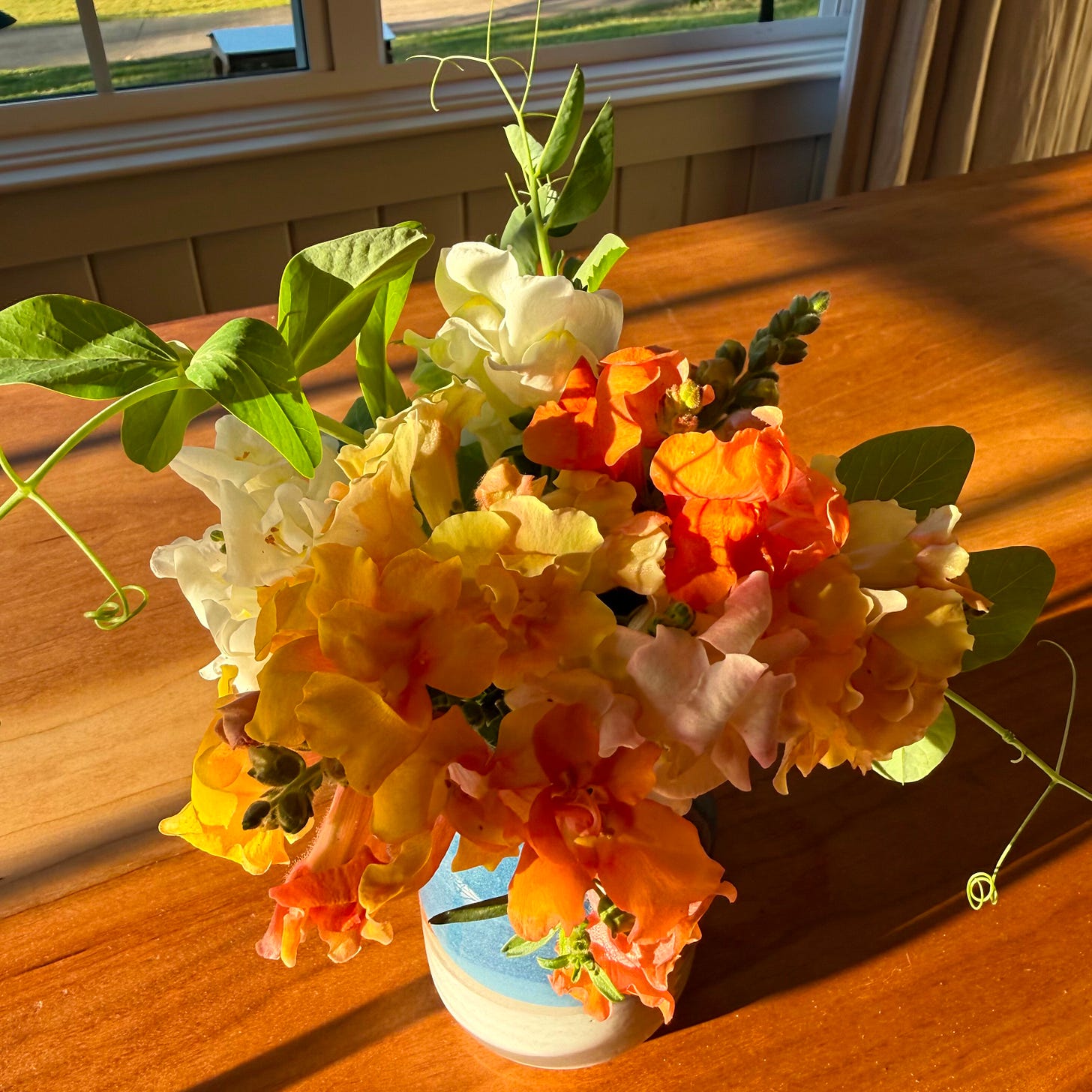
When I’m intentional about integrating beauty in simple ways into my life, it really signals something to my heart, to my soul, to my nervous system: that we’re not just surviving. That we’re flourishing, even when life is imperfect.
Beauty, for me, is something that tells me I’m safe. It tells me there is good in the world—because beauty is unnecessary from a survival standpoint. It tells me that God cares and is near. And it has been one of the most critical ways this year that I reconnect to God and to myself, and that I don’t lose myself in survival mode when things are challenging.
Forty-six years in. The lessons keep coming, and I’m grateful for it.
What about you? What have you learned in the last year? Where have you grown?
Last modified on May 15th, 2026 at 9:22 am
Disclosure of Material Connection: Some of the links in the post above are "affiliate links." This means if you click on the link and purchase the item, we will receive an affiliate commission. Regardless, we only recommend products or services we use and believe will add value to our readers. We are disclosing this in accordance with the Federal Trade Commission's 16 CFR, Part 255: "Guides Concerning the Use of Endorsements and Testimonials in Advertising.